
"Halogencore"
My favorite genre of films!!

I was a halogencore superfan before I even realized what it was! “Halogencore” is a genre coined by Max Read on his Letterboxd page:
Halogencore movies are stories of corporate intrigue and malfeasance, told from the point of view of characters on the “outside of the inside” — low-level apparatchiks, functionaries, subordinates, and middle managers, navigating crisis from the periphery of real power. They usually take place over a short time frame — day, or a night, or a weekend — and against a ticking clock. They are not stories of lasting change, stunning revelation, or dramatic reversals of fortune. They are stories of beaten-down people acquiescing to or negotiating compromise with power. The “victory” of a happy ending in a halogencore movie is not that power has been toppled but that our compromised hero has manage to survive inside the machine without being crushed. -Max Read
He names Michael Clayton, The Assistant, and Margin Call as the core pillars of this genre:
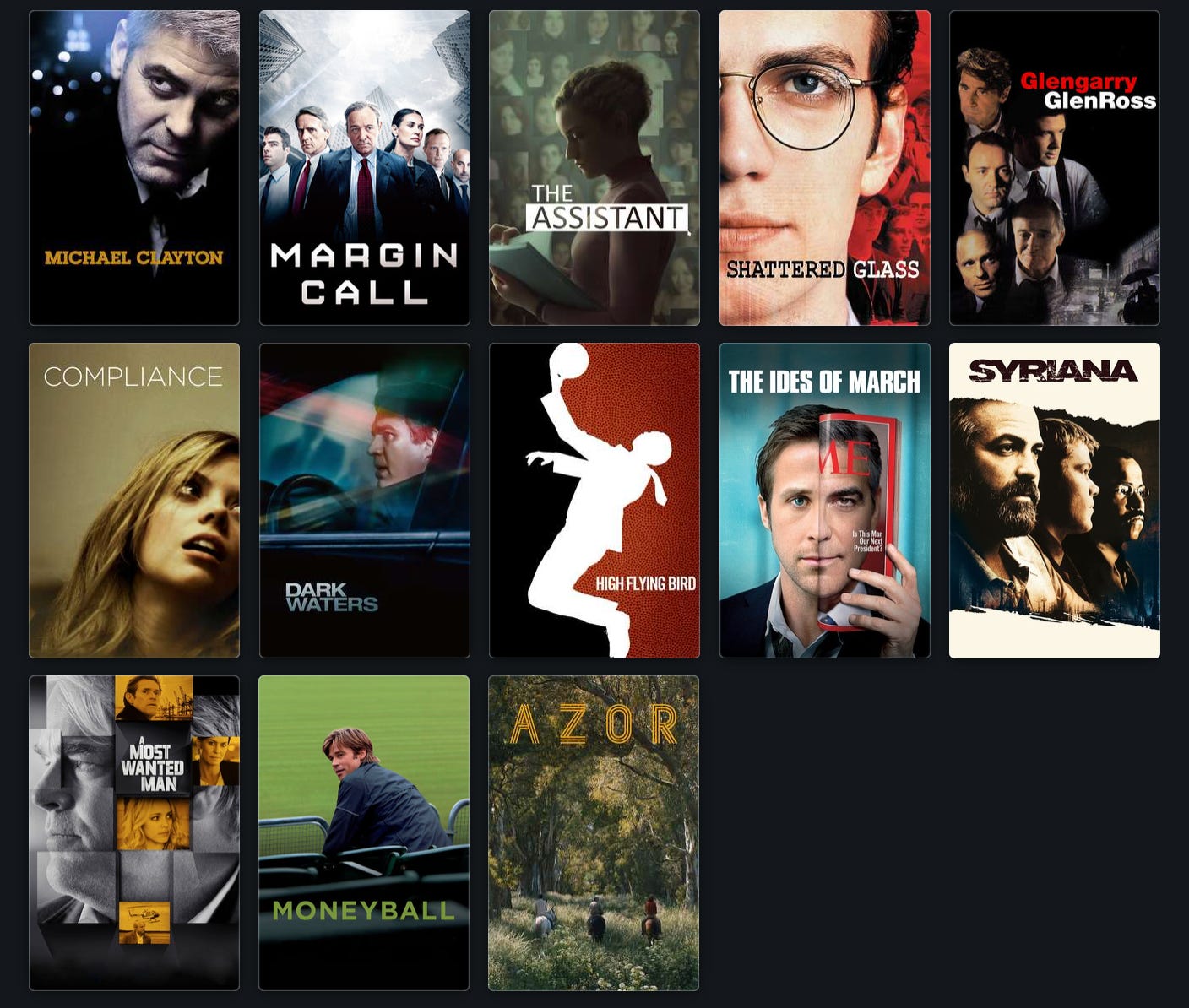
Max Read talks about this genre at length on a great episode of the podcast Scriptnotes. (He also has a great Substack called Read Max.) Thanks to friend Carrie for bringing this to my attention!

Stories of people battling within, amongst, against, inside of, the corporate machine are some of the most vital stories we can be telling! Corporations run the economy, politics, markets, our day-to-day interactions.
Let’s operate on the assumption that in halogencore, the corporations/financial institutions are up to no good. Whether it’s a outright crime, or slowly sucking the democracy out of our political system, how do these powerful institutions create an insulation around their workers so that people don’t have to think about how the emails they send or the deals they make will harm others?

Sophie from That Final Scene wrote this brilliant observation about Margin Call:
I've always wondered how Wall Street executives sleep at night. After watching this film, I finally got it. They never experience the full arc of suffering they create. They inhabit a separate timeline – crisis management and bonus calculation – completely disconnected from foreclosure notices and emptied retirement accounts. They sleep just fine because in their timeline, the story ends with the morning bell. They order takeout, enjoy the meal, and then teleport away before the stomach pain hits.
These films and these questions are what got me obsessed with writing screenplays about the financial industry, the big pharma industry, the health insurance industry, etc. I’m fascinated by how these corporate powers affect our souls, our daily interactions, the small moments in our lives.
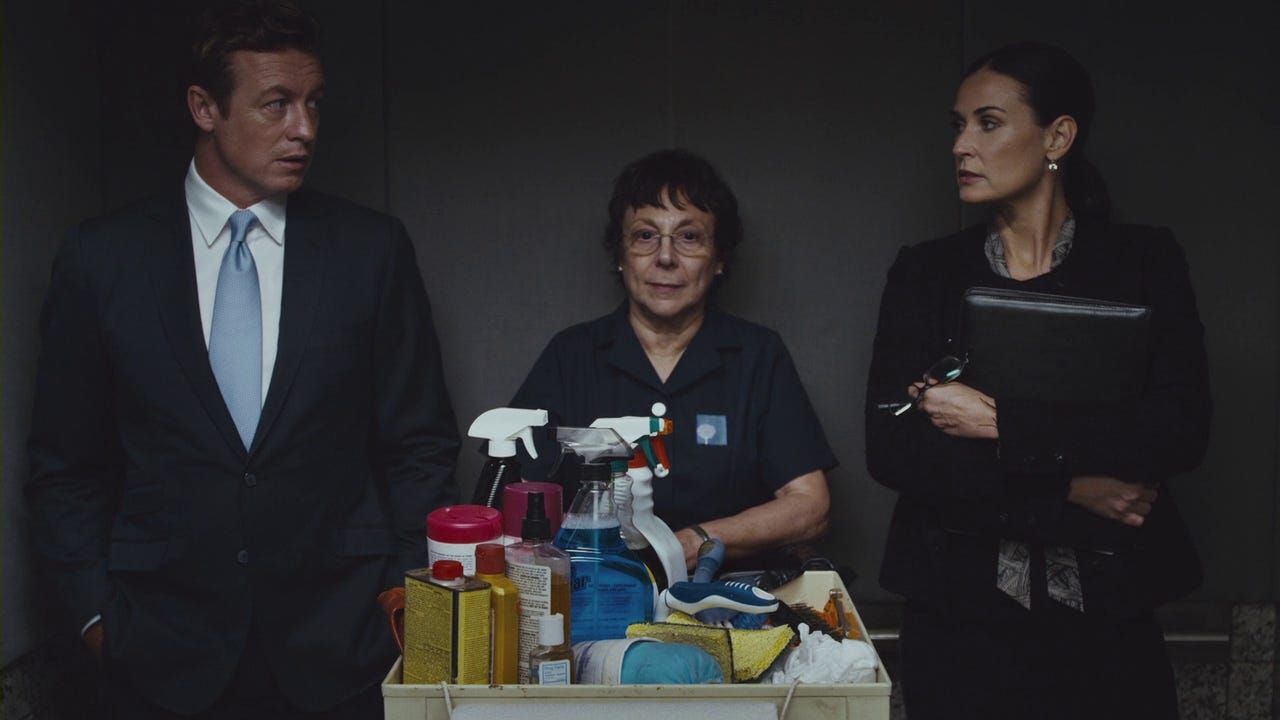
My question as a filmmaker is — how do I make this interesting and dramatic!!? How do I turn a story about office life, about cognitive dissonance, about meetings and emails, into a riveting 90-minute cinematic experience? I want to make movies about the everyday severance (as in, Severance) that we experience as workers, as the people fueling the American economic machine.
(Enter: Gestures.)
Michael Clayton, The Assistant, and Margin Call are all major influences in my life, work and writing. When writing Blow Up My Life, Ryan and I talked all the time about Michael Clayton as one, a perfect film, and two, as a film about a character firmly in the system who decides to turn against it and do the right thing. Plus script-wise, the main character is mostly out of the office on his adventures against U-North which we also did in BUML, and what I’m doing in Gestures as well.
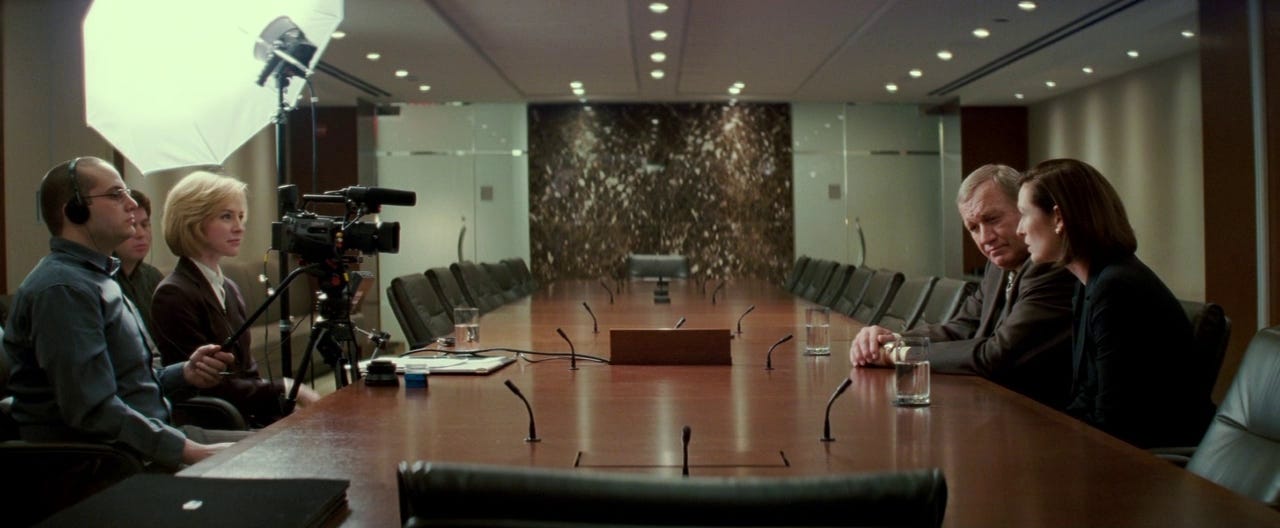
Max Read notes an important part of Halogencore: the characters don’t bring down the bad guy. The bad guy is simply too large for the main character to destroy. They do survive, and maybe learn something about themselves, or what they want to be a part of. Or not. In The Assistant, she keeps working at the toxic office. Same in Margin Call. At the end of Michael Clayton, George Clooney drives off in a taxi…but is he just heading back to the office? What does this say about the characters, about us?
Personally, I want these endings to challenge the viewer. To ask them uncomfortable questions about our complicity in all of this. And I think in large part, they do. Sophie ends her thoughts on Margin Call with this amazing reflection:
Still, I also shamefully see myself in that scene. You recognize it too, don’t you? That split-screen existence where we condemn predatory capitalism over dinner while checking our investment portfolios for growth. Where we rage against environmental destruction while ordering next-day delivery. Where we demand accountability from others while designing lives that insulate us. Rogers burying his dog with genuine tears reveals our collective ability to feel authentic emotion in one sphere while causing devastation in another.
We help to screw ourselves out of a livable future one Chat GPT question, one Amazon delivery at a time.

In the film Azor, a Swiss banker goes to Argentina during the dictatorship, ushering in the neoliberal free market economy that decimated the country. The description for the film notes, “Between hushed lounges, swimming pools, and gardens under surveillance, a remote duel takes place between two bankers who, despite different methods, are the accomplices of a discreet and merciless form of colonization.”
Oh my goodness, can all films please be about this?! I want more films about how the violence of the capitalist empire project and those who aid it in lush comfortability.
May I add a comedy subgenre to halogencore with the addition of Toni Ermann? In Toni Erdmann, an absurd dark comedy about a depressed daughter and the father who tries to cheer her up, is also about a woman working a job that sucks the life out of her. She works for a German oil company carving out profits in Romania, again, another project of the neoliberal empire. The film takes place amongst meetings, conferences, work parties. By the end she switches jobs but in the final scene she’s just as depressed as ever:

I’ll note that it’s a genre that mostly focuses on white men. I think in large part it’s because it’s looking at systems of institutional power and it’s white males who have built and still run them. I’m happy to examine and criticize these characters, though we can all be co-opted to work against our best interests! I am obviously itching to see more female and minority writers and directors get a shot at telling these stories.
As I’ve mused about, these are strange stories to tell. So many moments of the The Assistant are about the mundanity of office life. Azor is about a banker going from meeting to meeting. Moneyball is about statistics. My film Gestures centers around a Private Equity deal. On the surface they’re not life-and-death situations, and so perhaps not what you think of immediately when you think of an enticing cinematic experience.

But the world is changing. Power works in different ways, we eat food shipped in from Chile, people have relationships with AI, we face existential threats from climate change. What we make stories about must change as well. HOW we tell those stories, what we say them about, how they make the audience feel. These are all up for grabs. I think halogencore speaks to this in many ways — it carves out a new space to explore the sinister way in which power and intrigue have shifted to inconspicuous moments!
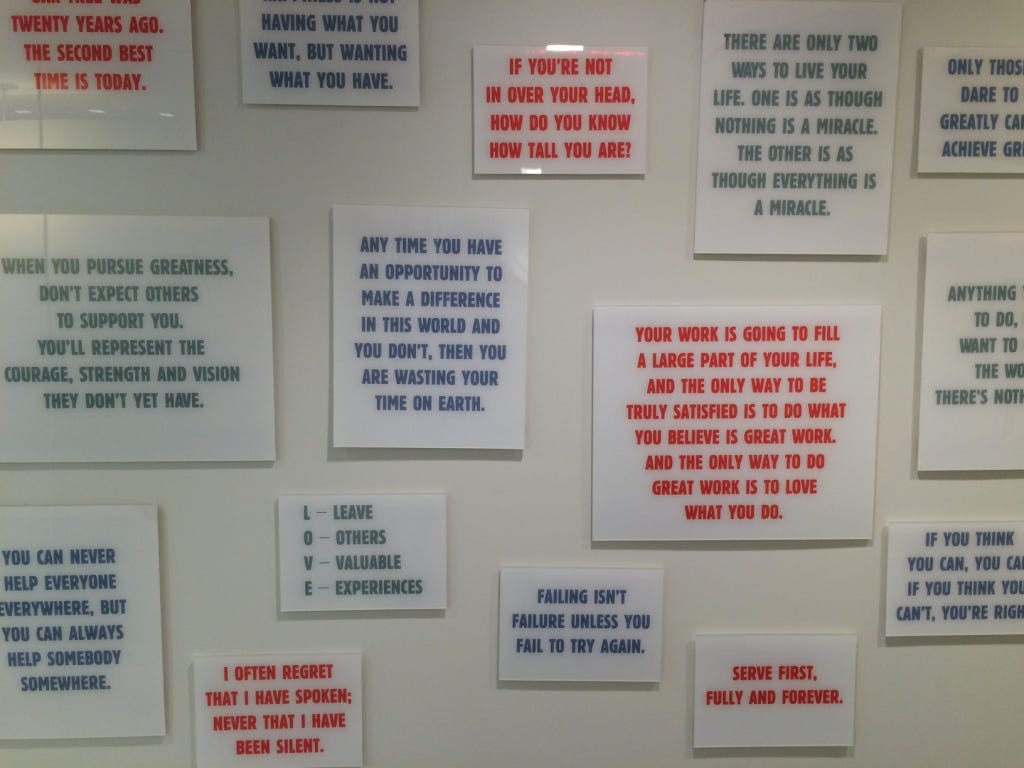
That last pic changed my life